

The Complete Guide to Ukulele Sizes: Finding the Right Fit for You
When stepping into the world of ukuleles, one of the most common questions that arises is about ukulele sizes. With their compact designs and cheerful tones, ukuleles come in a variety of shapes and lengths, each offering a distinct sound and feel. Whether you're a beginner or an experienced player, understanding ukulele types, sizes, and their unique characteristics is essential to picking the perfect match for your style.
In this comprehensive guide, we’ll break down the different kinds of ukulele, explain their measurements, and help you determine which uke size is best suited for your musical goals.
Understanding Ukulele Sizes
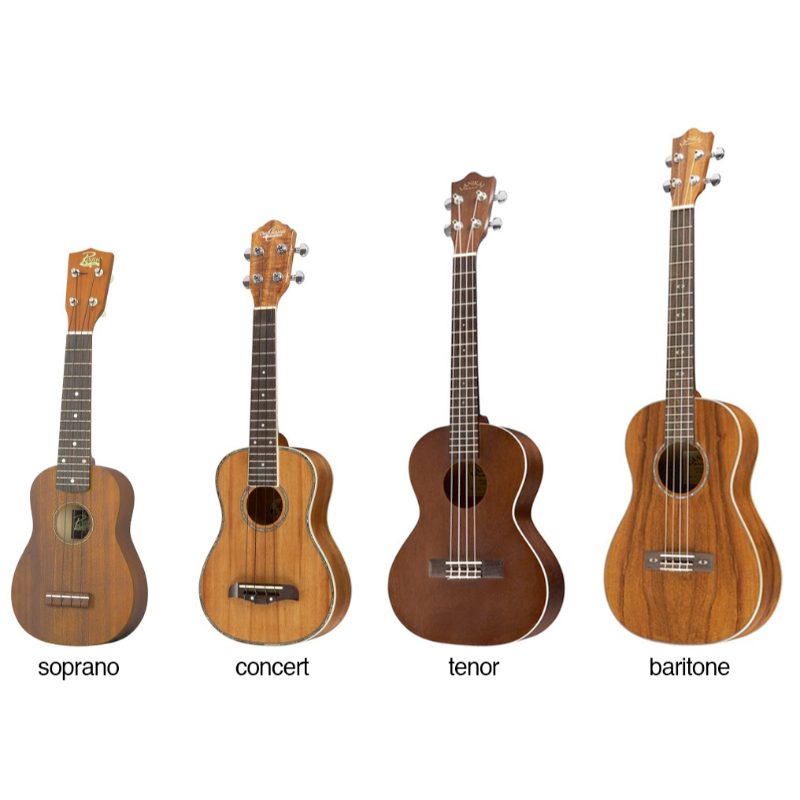
Ukuleles typically come in four main sizes: soprano, concert, tenor, and baritone. Each of these ukulele types has its own tonal quality, range, and physical length. Here's a quick overview:
-
Soprano Ukulele
-
Length: Approximately 21 inches
-
Scale Length: Around 13 inches
-
Tuning: G-C-E-A
-
Tone: Bright and traditional ukulele sound
-
Best For: Beginners, small hands, classic Hawaiian sound
-
Concert Ukulele
-
Length: Around 23 inches
-
Scale Length: About 15 inches
-
Tuning: G-C-E-A
-
Tone: Fuller and louder than soprano
-
Best For: Intermediate players or those who want more finger space

-
Tenor Ukulele
-
Length: Approximately 26 inches
-
Scale Length: Roughly 17 inches
-
Tuning: G-C-E-A (some prefer low G)
-
Tone: Richer and deeper sound
-
Best For: Performers, fingerstyle players, more versatile tone
-
Baritone Ukulele
-
Length: Around 30 inches
-
Scale Length: 19 inches or more
-
Tuning: D-G-B-E (like the highest four strings on a guitar)
-
Tone: Deep, mellow, guitar-like
-
Best For: Guitar players transitioning to ukulele, deep tones
Sizing Chart: Ukulele Measurements At a Glance
|
Ukulele Size |
Total Length |
Scale Length |
Common Tuning |
Tone Character |
|
Soprano |
~21 inches |
~13 inches |
G-C-E-A |
Bright, traditional |
|
Concert |
~23 inches |
~15 inches |
G-C-E-A |
Fuller, warmer |
|
Tenor |
~26 inches |
~17 inches |
G-C-E-A / Low G |
Rich, resonant |
|
Baritone |
~30 inches |
~19+ inches |
D-G-B-E |
Deep, mellow |
Which Ukulele Size Should You Choose?
Choosing between ukulele sizes depends on several factors:
1. Your Physical Comfort
-
Small hands or children might prefer a soprano or concert ukulele.
-
Adults or players with larger hands may find the tenor or baritone easier to handle.
2. Desired Tone
-
If you love the traditional, bright sound, the soprano is the classic choice.
-
For a richer, more resonant tone, the tenor or baritone may be more satisfying.
3. Playing Style
-
Chording and casual playing: Soprano or concert.
-
Solo performance or fingerpicking: Tenor or baritone.
-
Guitar transition: Baritone.
Beyond the Basics: Variations in Ukulele Types
While the four main ukulele types dominate the market, there are other interesting varieties worth mentioning:
-
Sopranissimo (Pineapple or Pocket Ukulele): Even smaller than soprano, super portable and very high-pitched.
-
Bass Ukulele: Tuned like a bass guitar (E-A-D-G), delivers deep bass sounds.
-
Electric Ukuleles: Come in various sizes with built-in pickups for amplified play.
-
Hybrid Ukes: Like guitalele (6-string ukulele-guitar hybrid) or banjolele (banjo-ukulele hybrid).
These non-traditional models offer expanded possibilities for musicians looking for something different.
Ukulele Length and Scale: What’s the Difference?
-
Total Length refers to the full size of the instrument, from the top of the headstock to the bottom of the body.
-
Scale Length is the distance between the nut and the saddle (where the strings are played). It affects the spacing between frets and string tension.
Longer scale lengths allow for greater note range and finger room, making them ideal for complex music or larger hands.
The Evolution of Uke Sizes and Popularity
Ukuleles evolved from Portuguese instruments brought to Hawaii in the late 1800s. Over time, different uke sizes were developed to suit varied musical needs. From traditional Hawaiian tunes to mainstream pop, ukuleles of all sizes have found a niche in every corner of the music world.
Today, artists like Vance Joy, Billie Eilish, and Eddie Vedder have popularized the ukulele in modern music, showcasing the flexibility of different sizes in their recordings.
Choosing the Right Ukulele for Kids
If you're shopping for a child:
-
Soprano ukuleles are usually ideal due to their lightweight and short length.
-
Some brands make colorful, themed ukuleles for children that come with learning guides.
-
Look for nylon strings and quality tuning pegs to maintain tune and avoid frustration.
Care and Maintenance Tips for All Ukulele Sizes
Regardless of the ukulele measurements, proper care keeps your instrument sounding and looking great:
-
Humidity Control: Wood can warp or crack in dry or humid conditions.
-
Regular Tuning: Different sizes can go out of tune more quickly due to string tension.
-
Storage: Use a padded gig bag or case, especially for larger sizes.
-
Cleaning: Wipe down strings and body after each session to reduce wear.

The Sound Journey Across Ukulele Types
Here’s a quick sound comparison across ukulele types:
-
Soprano: Sweet, plucky, high-pitched.
-
Concert: Balanced, a bit louder and fuller.
-
Tenor: Warm, rich, with strong projection.
-
Baritone: Deep, mellow, closest to classical guitar.
Each sound type brings something special to the table. Whether you're strumming campfire songs or performing on stage, there’s a ukulele size that aligns with your voice and vibe.
Final Thoughts: The Perfect Uke Size for Your Journey
From beginners to seasoned players, selecting the right ukulele size is the first step to an enjoyable playing experience. Each of the kinds of ukulele has its own feel and sound, so there’s no universal best—just the best for you.
Try different sizes in-store if possible. Feel their weight, hear their tone, and see what feels most natural. Once you find the perfect match, your ukulele journey will be filled with joy, rhythm, and expression.